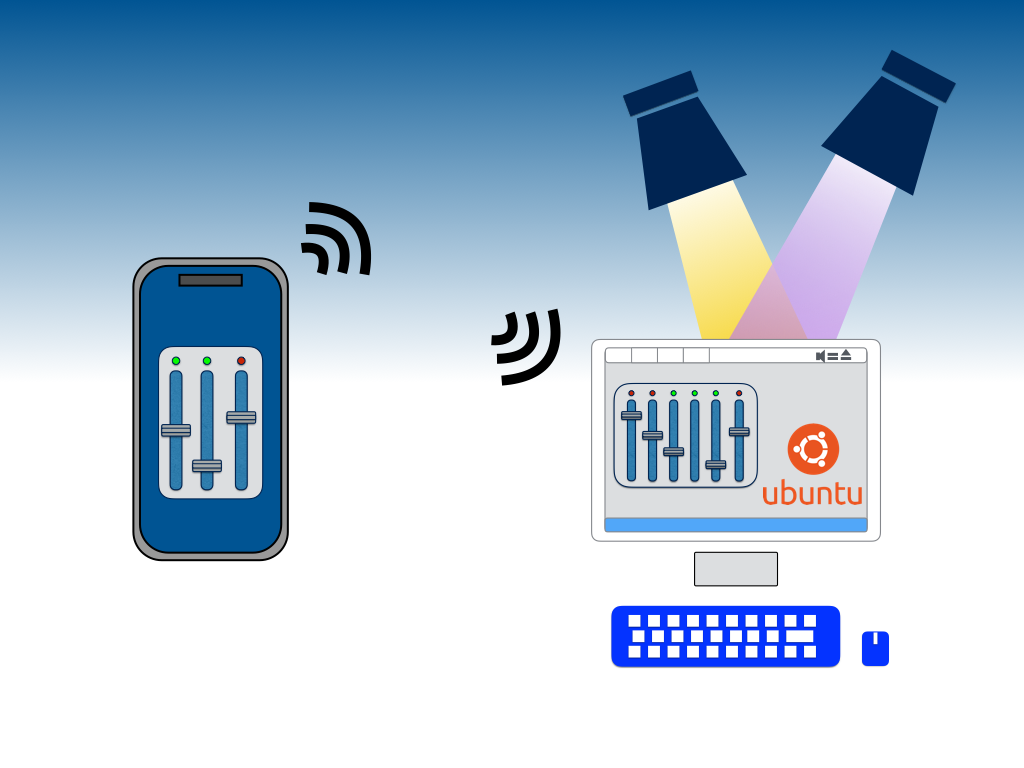
Apr 4, 2026 - RTP-MIDI Debian 13- *Universal* released. We have removed many OS-specific dependencies from this release to make it more portable. It has been tested on Debian 12, Debian 13 and Ubuntu 24.04. It has also been tested on a pre-release of Ubuntu 26.04. The aim has been to make a release that is more portable across many Debian-derived Operating Systems on AMD64.
Nov 13, 2025 - Raspberry Pi 64-bit (Trixie) release of rtpmidi. Compiled especially for 2025-10-01-raspios-trixie-arm64. FREE download for a limited time.
Feb 18, 2025 - Update of RTP-MIDI Server product MMKServer. Seamlessly expose MIDI devices over RTP-MIDI with Zero-Configuration. Free download.
Read about MMKServer here.
McLaren Labs brings MIDI applications to the Raspberry-Pi and Ubuntu computers. Our aim is to make music-creation and experimentation easy and fun on inexpensive, accessible computers. Our apps are optimized for multicore architectures, built using libdispatch, to take advantage of the increasing performance available on even inexpensive CPUs.
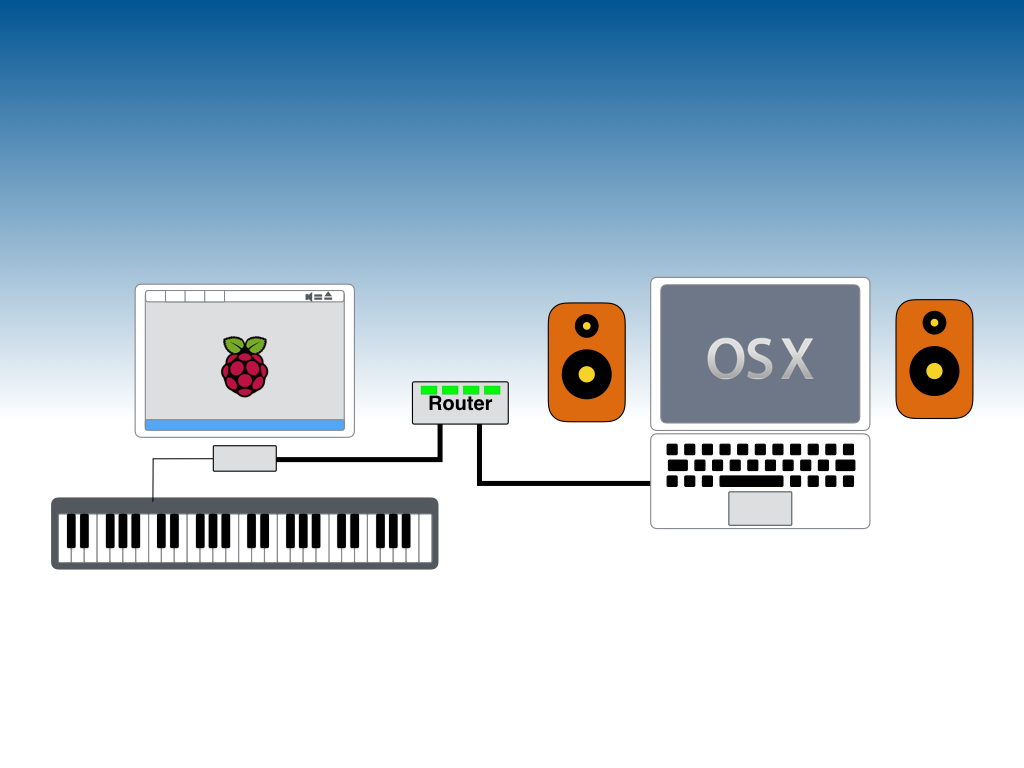
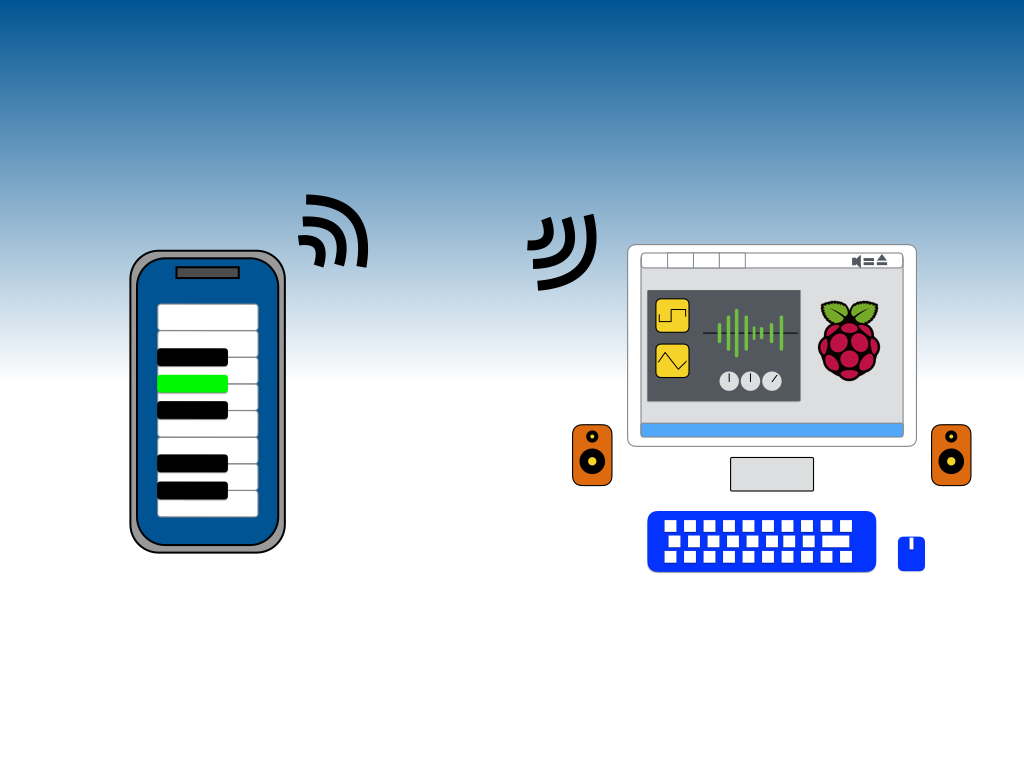
Our networking utility, rtpmidi, lets you send MIDI messages over a computer network using WiFi or Ethernet. The rtpmidi protocol is already built into Mac computers, so this utility makes it easy to network your Raspberry Pi or Ubuntu computer with your Mac. It is also possible to use rtpmidi with PCs and Android devices, because this protocol is available on those platforms too.
We also like to share some of our developments. We regularly release free downloads, and have recently begun distributing the McLaren Synth Kit - an audio programming environment based on Objective-C for GNUstep. McLaren Labs remains a work in progress.

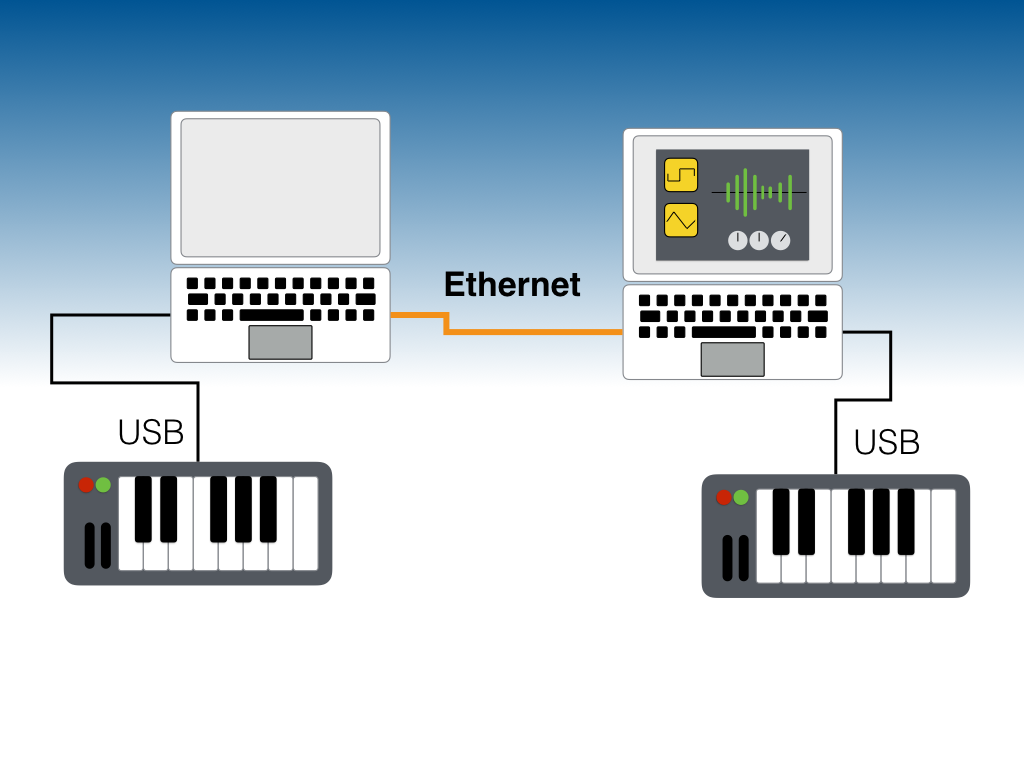
MIDI was originally designed as a serial protocol to be sent over cables that plugged into a MIDI-specific 5-pin port on a computer or keyboard. Many devices these days use USB instead of the special MIDI connector. There are also ways to send MIDI over Bluetooth.
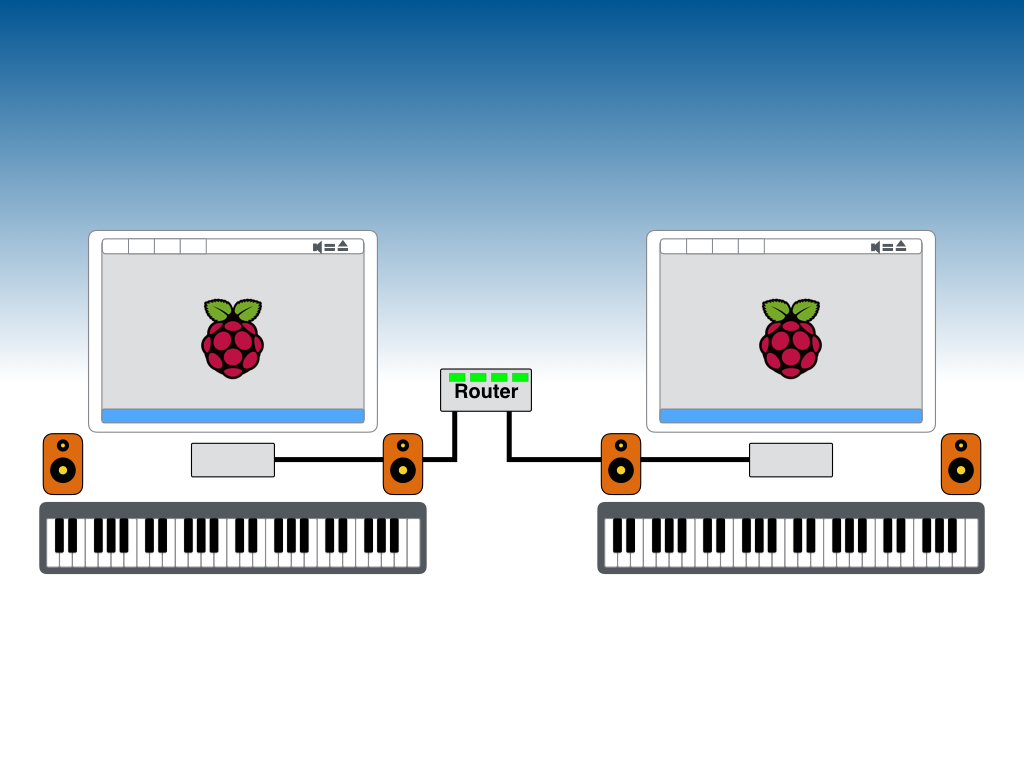
Network MIDI translates MIDI into messages that can be sent over your computer network. It is also very flexible: one computer can host multiple sessions, with each session managing the connections between two or more devices. Network MIDI replaces cables and can simplify your studio, allowing software control of connections and patches. A Network MIDI controller can implement split and merging functions in software.
Because Network MIDI is built into Mac OSX, you can use a Raspberry-Pi or Ubuntu Linux computer to send MIDI information to your Mac. This allows you to "play" Mac synths from your Pi. You can also use a cheap Linux computer to "bridge" USB-MIDI keyboards and controllers into your Ethernet network.
Why RFC-6295? RFC-6295 (also known as RTP-MIDI) is a special protocol for MIDI information. RTP ("Real Time Protocol") is a family of protocols for sending real-time information like audio and video. RTP-MIDI is a special form for sending MIDI events. Other systems (like OSC, for one) use either UDP or TCP protocols directly. UDP packets have low latency, but their delivery is not guaranteed. TCP messages are guaranteed to be delivered, but system buffers can introduce unmanaged delay.
RTP-MIDI is built using UDP packets and introduces an error-correction algorithm designed especially for music called the "Journal". This algorithm detects when UDP packets have been dropped and recovers the information in a musically-friendly way. This means that if a Note-OFF packet is lost, that note will not stay "stuck on." The protocol will detect the missing Note-OFF and recover. It also means that notes will not be played twice by accident. This method gives the best experience for live performance.
MMKServer is a server application that seamlessly exposes MIDI devices over RTP-MIDI with Zero-Configuration networking (Bonjour/Avahi). Simply start the server, and your MIDI devices become available to other computers on the network.
MMKServer automatically discovers ALSA MIDI devices connected to your Linux computer and creates RTP-MIDI sessions for each one. Other computers on the network can then connect to these sessions using standard Network MIDI tools — including the built-in Network MIDI on macOS.
MMKServer is a free download and is available for both Raspberry-Pi and Ubuntu/Debian systems.
MMKServer includes a built-in web console that lets you monitor and manage connections from any browser on your network. The web console shows active sessions, connected peers, and MIDI activity in real time.
The web console is accessible at http://<your-server>:8080 once MMKServer is running.
MMKServer installs as a standard systemd service. You can start and stop it with the usual commands:
sudo systemctl start mmkserver
sudo systemctl stop mmkserver
sudo systemctl status mmkserver
To have MMKServer start automatically at boot:
sudo systemctl enable mmkserver
The McLaren Synth Kit is an open-source audio programming environment based on Objective-C for GNUstep. It provides a collection of audio synthesis and processing components that can be composed into signal-processing graphs.
McLaren Synth Kit includes oscillators, filters, envelopes, delay lines, reverbs, and more. It is designed to be approachable and fun for experimentation, while still being capable of real-time audio synthesis.
The project is actively developed and available on GitHub. Contributions and feedback are welcome!
Read our latest articles about MIDI, Raspberry Pi, Linux audio and more.
Visit the McLaren Labs BlogInterested in collaboration or an integration? Let us know what you have in mind!
For support or inquiries send Email, or use the Contact form on the right. Sending Email is preferred, as it will help our reply get through your spam filter.
Proudly created in:
San Francisco, CA